Applications

Textile chemicals

At Esteem Industries, we offer a specialized range of textile chemicals and surfactants for textile applications (surface-active agents) designed to enhance performance across every stage of fabric processing. Our surfactant portfolio includes high-efficiency scouring agents that effectively remove natural waxes and impurities from fibers, along with advanced wetting agents and textile auxiliaries that ensure deep and uniform penetration of dyes and treatments. We also provide emulsifiers that stabilize chemical blends during dyeing and finishing, and textile-grade detergents that deliver superior cleaning without compromising fabric strength. Our fabric processing chemicals include leveling agents, dispersing agents, and dyeing auxiliaries. To further enhance fabric feel, our softening agents and finishing chemicals are formulated to deliver lasting softness and comfort.

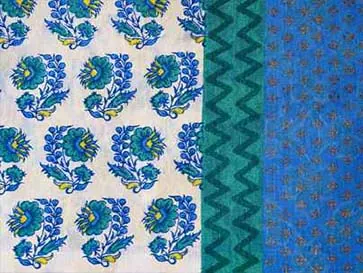
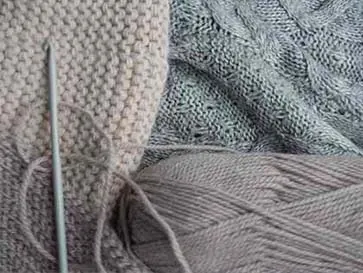
In addition to surfactants, our comprehensive suite of textile chemicals and textile auxiliaries supports critical processes such as pre-treatment, dyeing, printing, and finishing. Our pre-treatment chemicals and textile processing agents prepare fabrics for high-quality dye uptake, while our dyeing auxiliaries and leveling agents promote even coloration and batch consistency. For finishing, we offer a variety of textile finishing agents that improve characteristics like softness, wrinkle resistance, and water repellency, ensuring a refined end product. Our printing chemicals and printing auxiliaries enhance color sharpness and print durability on a wide range of textiles. We provide specialized solutions for cotton, denim, , , and synthetic fibers including nylon and acrylic textiles.

Esteem Industries is committed to sustainability and innovation. We continuously develop eco-friendly surfactants and textile chemical solutions that align with the latest environmental standards while maintaining top-tier performance. Whether you're involved in apparel manufacturing, home textiles, or industrial fabric processing, our tailored solutions help streamline your production while enhancing fabric quality. Our textile chemicals utilize alkoxylation chemistry and esterification processes.

What are textile chemicals? Textile chemicals are specialty surfactants and auxiliaries used at every stage of fabric processing—pre-treatment (scouring, desizing), dyeing, printing, and finishing. They improve wetting, levelness, color fastness, and handle so that mills can produce consistent, high-quality fabrics. Esteem’s range covers cotton, denim, polyester, wool, and blended fiber processing.

Key benefits

  • Improved wetting, scouring, and desizing efficiency for cotton, denim, polyester, and blended fabrics, leading to cleaner substrates and better dye uptake.
  • Enhanced shade consistency, level dyeing, and reduced reprocessing through carefully balanced leveling agents, dispersing agents, and dyeing auxiliaries.
  • Finishing systems that deliver durable softness, wrinkle resistance, and hydrophilic or hydrophobic effects tailored to end-use requirements.

Typical applications

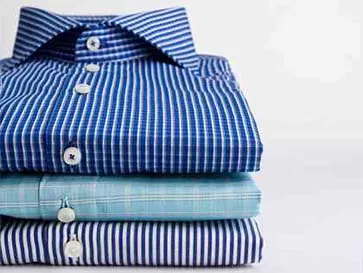
  • Pre-treatment of woven and knitted fabrics, including scouring, desizing, and bleaching stages where wetting and detergency are critical.
  • Dyeing processes for cotton, denim, polyester, wool, and synthetics using exhaust, continuous, or semi-continuous methods.
  • Textile printing and finishing operations, including softeners, handle modifiers, and specialty effects for apparel and home textiles.

Technical highlights

  • Surfactant and auxiliary systems built on alkoxylates and ester chemistries optimized for low-foam, high-wetting, and high-solubilizing performance.
  • Grades designed for high electrolyte tolerance, broad temperature stability, and compatibility with common dye classes and finishing polymers.
  • Process-proven chemistries validated in mill-scale operations, supported by technical service to fine-tune recipes for specific substrates and machinery.
How we work

From mill brief to plant scale

01

Share the brief

Tell us fiber, process stage (pretreatment, dyeing, printing, finishing), and machinery so we start from the right surfactant window.

02

Select chemistry

We map scouring, wetting, dyeing, printing, and finishing auxiliaries to your mill recipe and RSL needs.

03

Trial and stabilize

Lab and mill trials check wetting, levelness, foam, and fastness before scale-up.

04

Scale and document

ISO-backed manufacturing, COA, SDS, and technical support for mill-scale commercial supply.

Selection guide

Textile process vs chemistry

Alcohol ethoxylates, low-foam EO/PO

Scouring / wetting

Oil removal without foam lock

Scouring guide
Esters, amine ethoxylates

Softening / spin finish

Handle vs rewet

Esters
Synthetic alcohol ethoxylates

RSL / APEO-free

Brand compliance

APEO-free guide
FAQ

Frequently Asked Questions - Textile Chemicals

Find answers to common questions about textile chemicals

Textile chemicals are used throughout fabric processing including pre-treatment (scouring, desizing), dyeing (leveling agents, dye fixers), printing (printing chemicals), and finishing (softeners, water repellents). Our textile chemicals enhance fabric quality, color fastness, and processing efficiency.
Our textile chemicals are suitable for cotton, denim, polyester, wool, silk, nylon, and synthetic fibers. We provide specialized solutions for each fabric type.
Yes, Esteem Industries is committed to sustainability and continuously develops eco-friendly surfactants and textile chemical solutions that align with the latest environmental standards while maintaining top-tier performance. Our chemicals utilize alkoxylation and esterification processes.
Our textile chemicals support all critical processing stages: pre-treatment (scouring agents, wetting agents), dyeing (dyeing auxiliaries, leveling agents), printing (printing chemicals), and finishing (softeners, finishing agents).
Yes. Many export mills replace alkylphenol ethoxylates with synthetic alcohol ethoxylates. Confirm the mill RSL, foam, and residual oil tests with our technical team.
Mid-HLB fatty alcohol ethoxylates and selected EO/PO grades wet and emulsify spinning oils. Low-foam options protect jet machines. See our alkoxylates hub.
Next step

Need a textile auxiliary sample or mill trial support?

Talk to Esteem Industries formulators about scouring, dyeing, printing, and finishing auxiliaries, APEO-free options, and mill-scale application trials.